


Testosterone Gel vs Injection: Which Is Better?
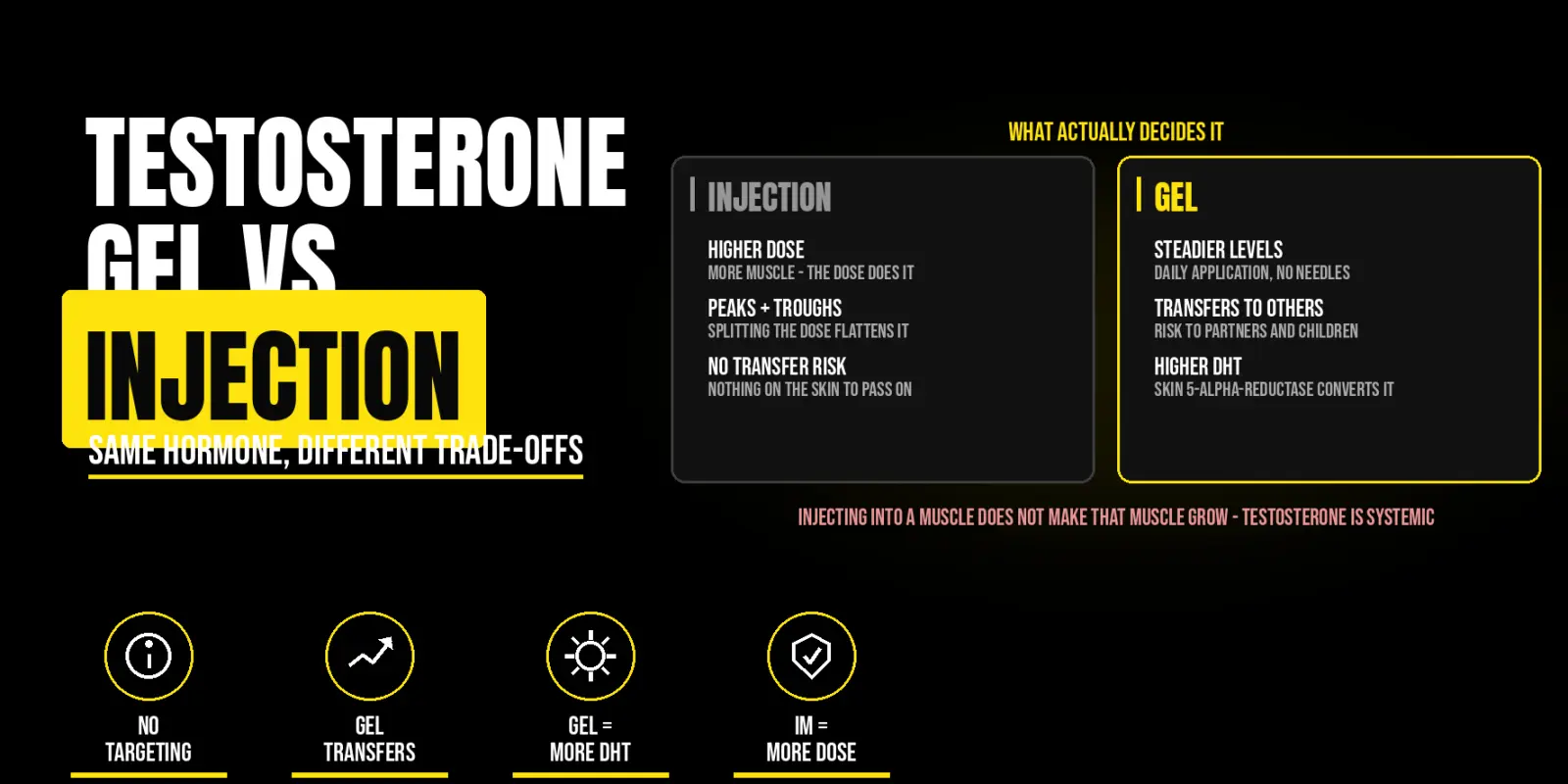
Both work, and the differences are practical rather than dramatic. Injectable testosterone generally achieves higher and more controllable levels; gels give steadier day-to-day exposure and avoid needles. The trade-offs that actually decide it are transfer risk, DHT conversion, cost and adherence — none of which the old version of this article covered.
It also contained a claim that needs removing outright: that injecting testosterone into a specific area lets you "target specific areas" for better results. That is not how testosterone works, and it is covered below.
What both treatments actually do
Gel and injection deliver the same hormone. Both are established treatments for hypogonadism, and both are used long-term rather than as a short course. The old text implied long-term use was specific to injections; it applies to testosterone replacement generally.
What differs is pharmacokinetics — how the drug gets into your blood and how flat the level stays.
| Aspect | Injection | Gel |
|---|---|---|
| Level profile | Peaks after each injection, declines between them | Steadier, closer to a daily rhythm |
| Frequency | Every 1–2 weeks (enanthate/cypionate) | Daily |
| Needles | Yes | No |
| Dose ceiling | Higher doses achievable | Absorption-limited |
| Transfer risk | None | Real — see below |
| DHT conversion | Lower | Higher |
| Cost | Usually cheaper | Usually more expensive |
Why injections are often preferred for muscle
The old article claimed injections produce "better muscle mass compared to testosterone gel." That claim has genuine support — a 2015 review in the American Journal of Physiology concluded that intramuscular testosterone produces greater musculoskeletal benefits and lower cardiovascular risk than transdermal administration in older men.
But get the mechanism right: the advantage comes from higher doses being achievable intramuscularly, not from the route being intrinsically superior. The review is explicit that the musculoskeletal benefits are greater because of the higher doses administered intramuscularly.
So: injections allow higher exposure, and higher exposure builds more muscle. If a gel delivered the same levels, the difference would largely disappear. Absorption through skin is the limiting factor.
The transfer risk — the main practical argument against gel
This is the most important thing the old article left out. Testosterone gel transfers to other people through skin contact.
· Residual testosterone remains on the skin after application, and can transfer to a partner or a child through direct contact.
· The consequences are not trivial. Transfer to women can cause virilisation — acne, body hair changes, voice changes, menstrual disruption. Transfer to children can cause premature sexual development.
· This is why gel products carry explicit warnings: cover the application site, wash hands after applying, avoid skin-to-skin contact with the site until it has been washed, and wash the site before contact.
For anyone with a partner or young children, transfer is the decisive factor. It is manageable with care, but it is a real constraint on daily life in a way an injection is not.
The DHT difference
Transdermal testosterone produces higher DHT conversion than injectable testosterone, because the skin contains 5α-reductase, the enzyme that converts testosterone into DHT. Applying the hormone directly onto skin exposes it to that enzyme before it ever reaches the bloodstream.
Why that matters:
· DHT is the androgen most implicated in male pattern hair loss
· It is the primary androgen acting on the prostate
· So gels can produce a more androgenic side-effect profile at the same testosterone level
If hair loss or prostate symptoms are a concern, this is a meaningful difference between the two routes — and it is not something the old article mentioned.
The peak-and-trough issue
The old text said injections cause "a sharp and sudden increase in testosterone levels before returning to baseline, which can significantly impact mood."
Partly true, but overstated as a blanket statement:
· Longer esters (enanthate, cypionate) are injected every 1–2 weeks and produce a rise and fall over that window — noticeable for some people near the end of the interval.
· Shorter esters (propionate) peak harder and clear faster.
· The effect depends on injection frequency. Splitting the weekly dose into two injections flattens the curve considerably.
Gels avoid this — daily application gives a smoother profile, which is a genuine point in their favour. The honest framing is a trade-off: injections give higher levels with more fluctuation; gels give steadier levels at lower exposure.
Cost and practicalities
· Gels are usually more expensive per month than injectable testosterone.
· Injections require consumables — needles, syringes, sharps disposal — which the old article noted and is worth repeating.
· Gels require daily discipline. Missed applications produce missed days.
· Gels have application rules: the site must not be washed or submerged for several hours, so swimming and some showering schedules are affected.
· Gels carry the transfer precautions above, every day, indefinitely.
FAQ
Is testosterone gel better than injections?
Neither is universally better. Injections achieve higher levels and generally suit muscle-focused goals; gels give steadier levels and avoid needles. The deciding factors are usually transfer risk, DHT conversion, cost and whether you can inject.
Can you target a muscle by injecting testosterone into it?
No. Testosterone is systemic. The injection site has no effect on which muscles grow.
Do injections build more muscle than gel?
Intramuscular testosterone has been shown to produce greater musculoskeletal benefits — but because higher doses are achievable, not because the route itself is better.
Does testosterone gel transfer to other people?
Yes. Residual testosterone on the skin can transfer to partners and children through contact, which is why gel products carry explicit warnings. Transfer to children can cause premature sexual development.
Why does gel raise DHT more than injections?
Because skin contains 5α-reductase, which converts testosterone to DHT. Applying testosterone to the skin exposes it to that enzyme before it enters the bloodstream.
Do injections cause mood swings?
Longer esters produce a rise and fall between injections, which some people notice near the end of the interval. Injecting more frequently flattens the curve. Gels give steadier levels.
How often are testosterone injections given?
Testosterone enanthate and cypionate are typically injected every 1–2 weeks; splitting the weekly dose into two injections gives steadier levels. Propionate is injected more often.
Is gel more expensive than injections?
Usually, yes — and it also requires daily application and indefinite precautions about skin contact.
Where to buy injectable testosterone
PandaRoids stocks injectable testosterone in the common esters, including testosterone enanthate and cypionate in the testosterone range.
If you are choosing between esters, test E vs test C covers the difference between the two most common injectable options. For how much you actually need, how much testosterone you need to build muscle covers the dose-response evidence. And since injections are systemic, best place to inject covers site selection for safety rather than results.
This article is educational and is not medical advice. Testosterone is a prescription medicine and a controlled substance in most jurisdictions. Testosterone replacement should be supervised by a clinician with monitoring.
References
· Borst SE, Yarrow JF. "Injection of testosterone may be safer and more effective than transdermal administration for combating loss of muscle and bone in older men." American Journal of Physiology — Endocrinology and Metabolism 2015. — Greater musculoskeletal benefits from intramuscular administration, attributed to higher achievable doses.
· Transdermal testosterone delivery — conversion of testosterone to DHT is higher for transdermal preparations than for injectable testosterone, due to cutaneous 5α-reductase.
· Testosterone gel prescribing information — transfer risk warnings regarding skin contact with women and children.
Articles
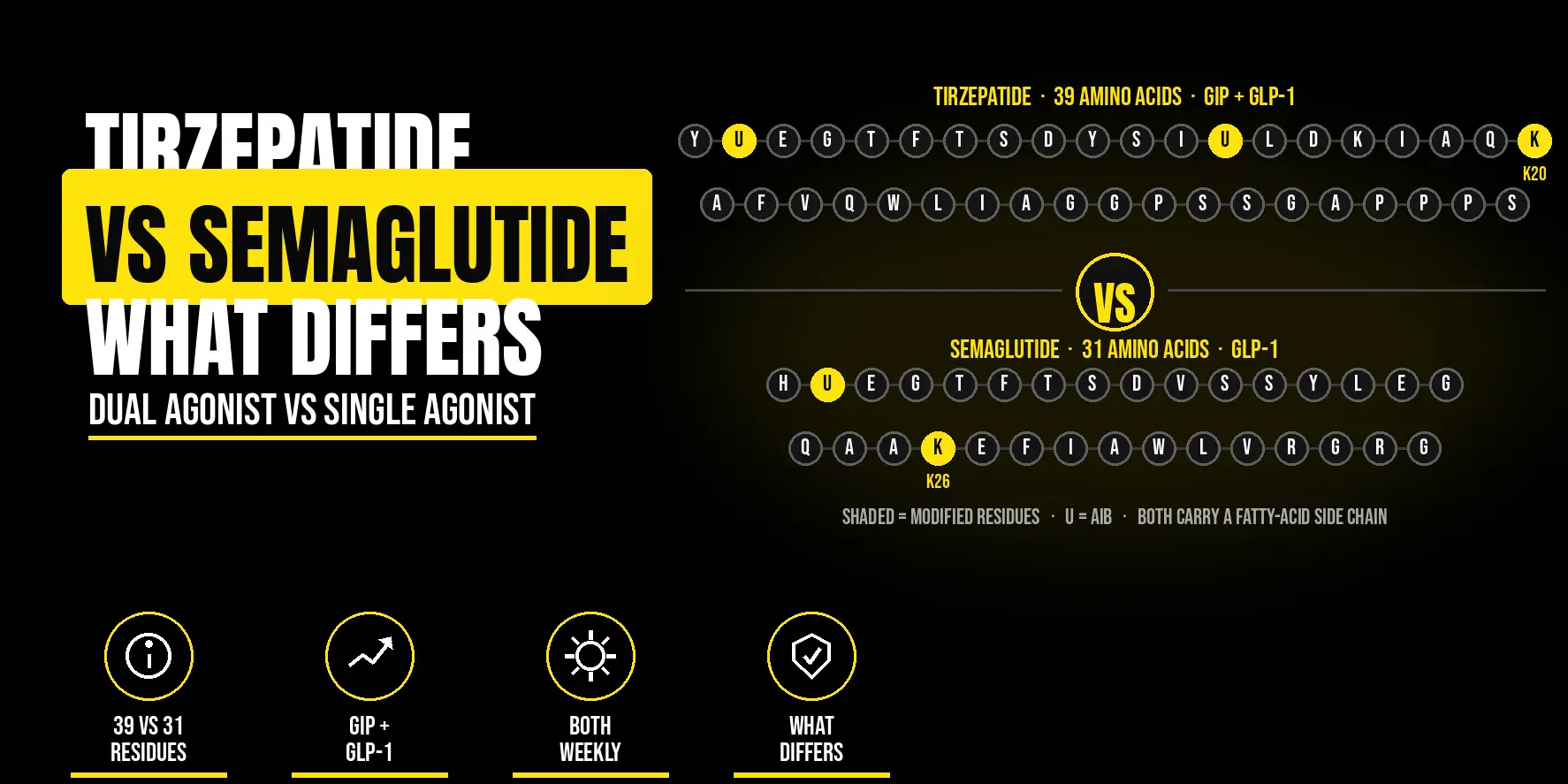
Based on current research, tirzepatide and semaglutide are commonly used as type 2 diabetes drugs for weight management. While tirzepatide may potentially be more effective, it is still too early to draw definitive conclusions.
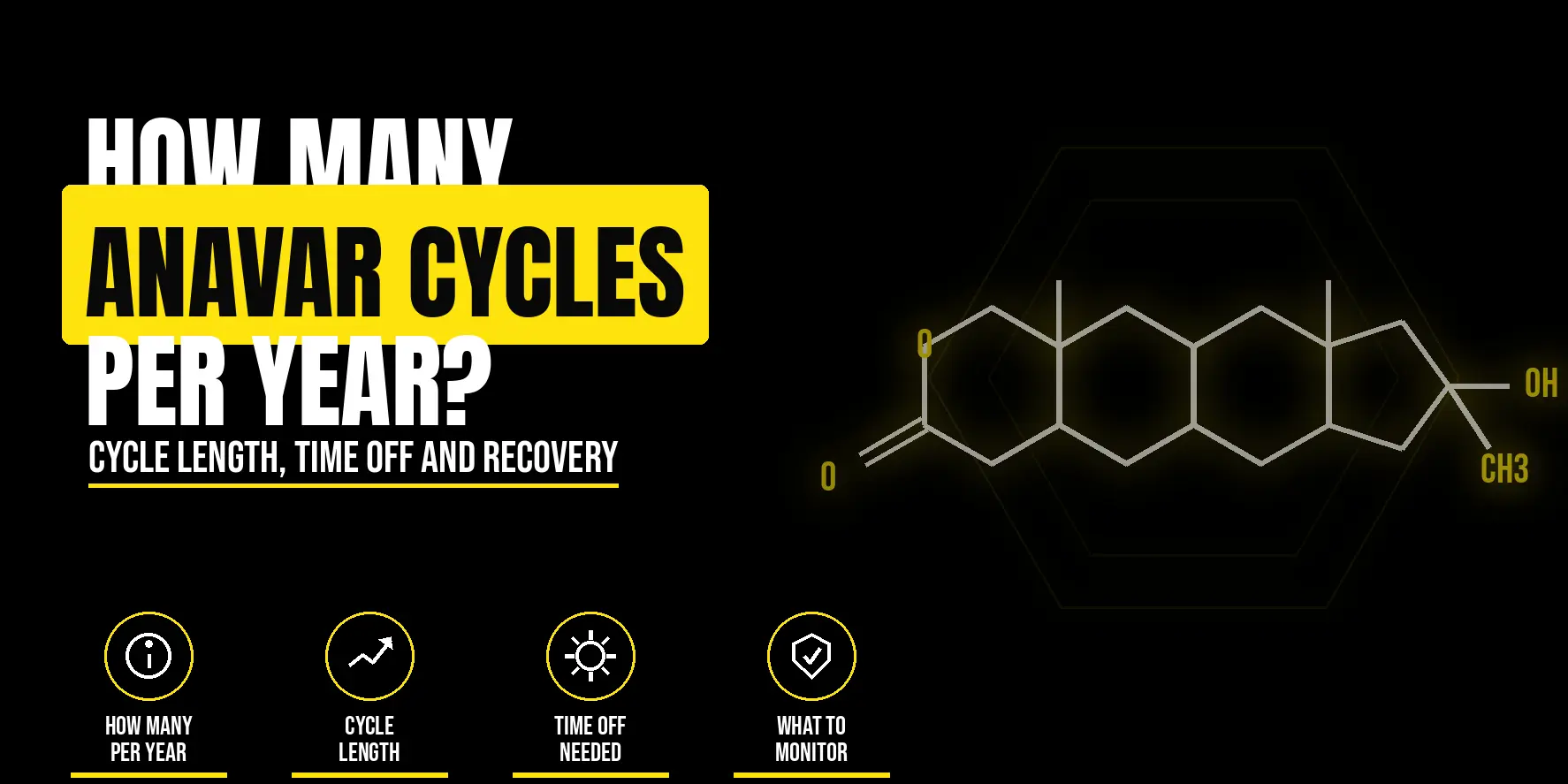
The question most people actually need answered is not how many fit in a year but how many your liver, lipids and hormone axis can recover from. Those two numbers are often different — and working out how many Anavar cycles per year you can safely run means knowing all three.
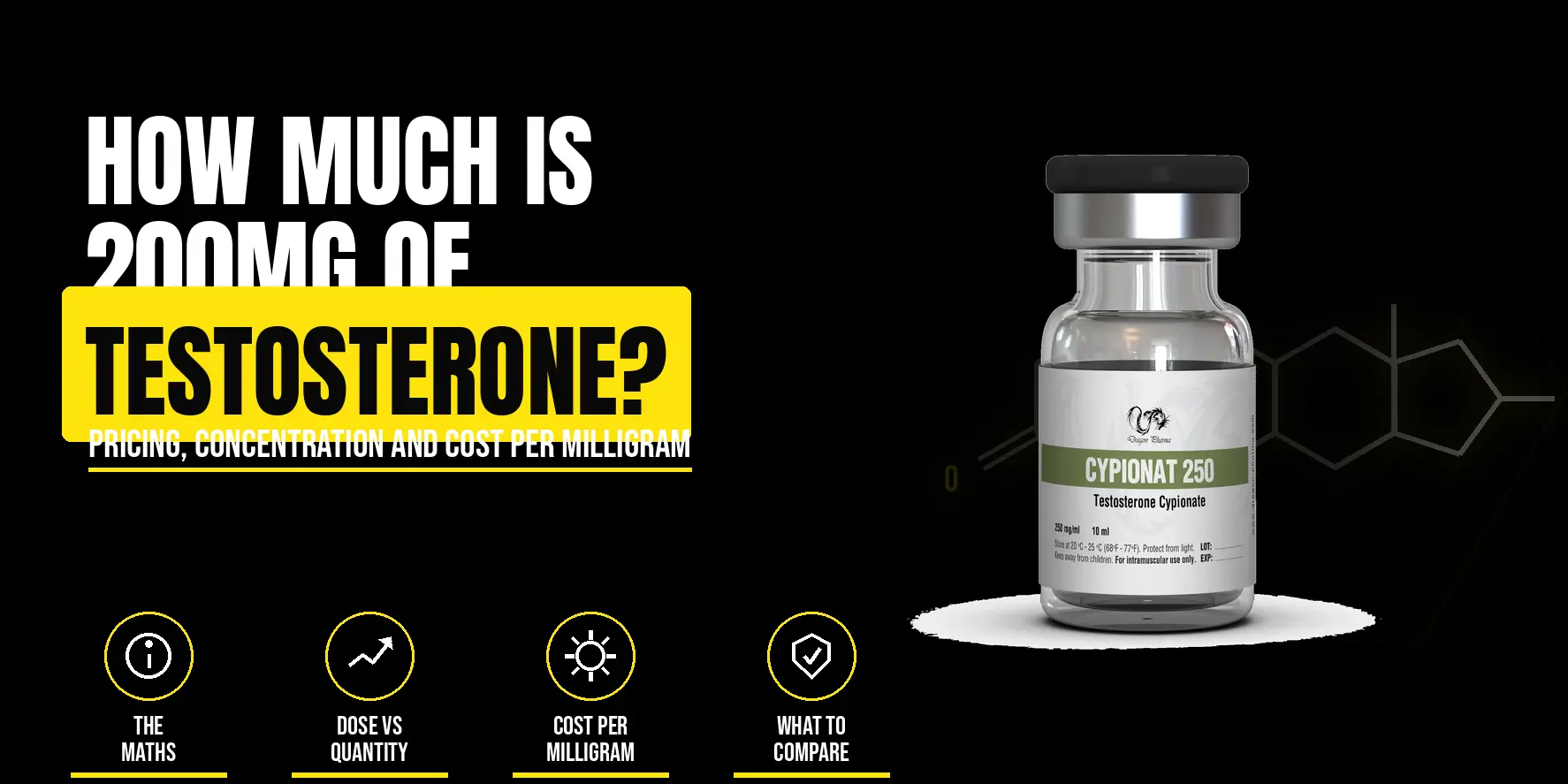
When one hears the word "testosterone", many things may come to mind – strength, masculinity, energy; testosterone cypionate, propionate or enantahte. But rarely do we think about its price.
PandaRoids Reviews
Please leave your review on products or service below.
For discounts, please contact us
- Great first experience. Shipping arrived in a week and half. Faster then I thought it would. Ordering process is a small inconvenience for being dependable. Will definitely order again. Great communication with order processing.
- good