


What Is Tesofensine? Mechanism, Benefits and Side Effects Explained
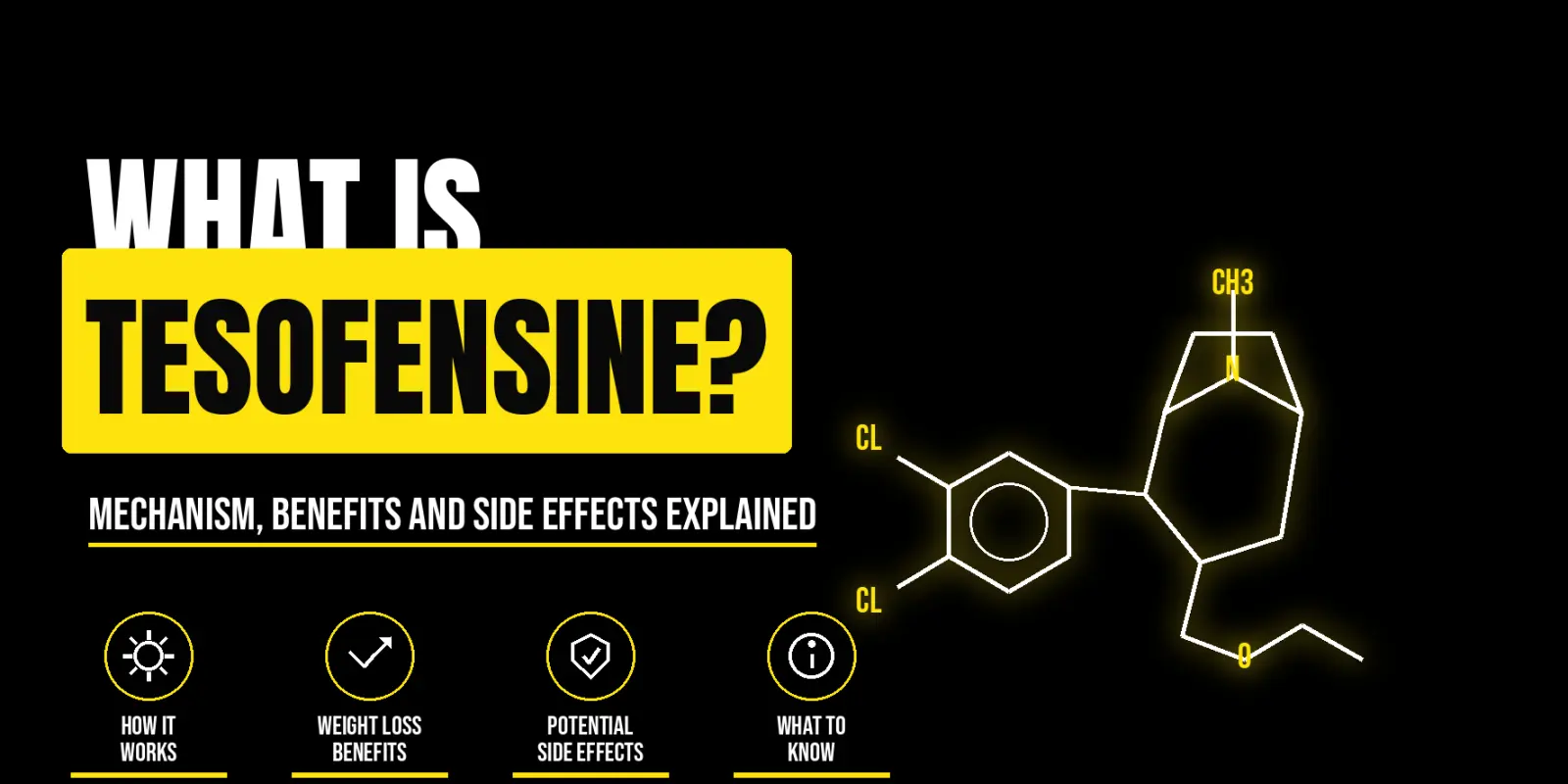
Tesofensine is a small-molecule drug candidate that has produced some of the largest weight reductions of any oral compound studied in obesity research. It is not a peptide, not a GLP-1 agonist, and not yet approved anywhere — three things most pages get wrong in their first sentence.
If you arrived here searching for tesofensine peptide, the honest answer is that the label is simply wrong. Tesofensine is a synthetic compound (C₁₇H₂₃Cl₂NO, molar mass 328.28 g/mol, CAS 195875-84-4) supplied as an oral tablet. This guide covers what tesofensine actually is, how its mechanism of action differs from both stimulants and GLP-1 drugs, what the clinical trials measured, what is known about side effects, and why its half-life shapes everything else.
What Is Tesofensine?
Tesofensine — development code NS2330 — is a serotonin–noradrenaline–dopamine reuptake inhibitor (SNDRI) from the phenyltropane chemical family.
It was originally developed by the Danish biotechnology company NeuroSearch for neurodegenerative disease, and was trialled in both Alzheimer's and Parkinson's patients. Those programmes were discontinued: as the transporter data became clearer, it emerged that tesofensine inhibits noradrenaline and serotonin reuptake more potently than dopamine reuptake, which is the opposite of what Parkinson's treatment needs.
What redirected the compound was an incidental observation. Patients taking it lost weight — substantially. Development pivoted to obesity, the rights transferred to Saniona in 2014, and tesofensine has since completed a Phase 3 programme in obesity run by Saniona's partner Medix.
In one line: tesofensine is an oral, once-daily small molecule that raises dopamine, serotonin and noradrenaline signalling by blocking their reuptake, and it was repurposed from neurology into weight management.
Is Tesofensine a Peptide? No — and Here's Why It Matters
This is the single most common misconception about the compound, and it is worth correcting properly rather than repeating.
A peptide is a short chain of amino acids joined by peptide bonds. Tesofensine has no amino acids in it at all. Its structure is an azabicyclo[3.2.1]octane core with a dichlorophenyl ring — the signature scaffold of the phenyltropane family, which also includes compounds like cocaine and several pharmaceutical stimulants. It survives oral administration as an intact tablet because it is small and stable, not because it has been engineered for peptide delivery.
Why the confusion exists. Tesofensine is frequently sold by the same suppliers that stock research peptides, and on sites like ours it sits near the peptide listings. Buyers searching "tesofensine peptide" are describing where they found it, not what it is.
Why it matters in practice. The distinction has real consequences:
- Peptides generally need refrigeration and careful reconstitution with bacteriostatic water. Tesofensine is a tablet — no reconstitution, no cold chain, no mixing arithmetic.
- Peptide chains degrade; small molecules of this type are far more robust.
- Peptides are typically cleared in hours. Tesofensine's half-life is measured in days (see below), which changes everything about how it behaves.
So when you see tesofensine marketed as a "peptide", treat it the way you would treat any other mislabelled product: as a signal that the seller has not read the literature.
If you arrived here searching for tesofensine peptide benefits or tesofensine peptide side effects, the lists further down this page are exactly the ones you want. The benefits and side effects below are real and documented — only the word "peptide" in the search query is wrong.
Tesofensine Mechanism of Action
Tesofensine works in the brain, not in the gut. It blocks the transporter proteins that normally recycle three monoamine neurotransmitters back into the neuron, which leaves more of each available in the synaptic cleft:
| Transporter | Neurotransmitter | Role |
|---|---|---|
| NET | Noradrenaline | Energy expenditure, alertness, thermogenesis |
| SERT | Serotonin | Satiety, mood, appetite signalling |
| DAT | Dopamine | Reward, food-seeking behaviour, motivation |
That three-way action is what the "triple reuptake inhibitor" label describes, and it is the key difference from SSRIs, which act on serotonin alone.
Two downstream effects follow from it. First, appetite suppression — measurable as improved composite satiety scores (satiety, fullness and reduced hunger) in trial participants. Second, a modest increase in energy expenditure, with research pointing to fat oxidation and greater night-time metabolic activity.
Tesofensine also indirectly potentiates cholinergic neurotransmission and has been shown to raise BDNF levels with sustained treatment, which is the basis for the antidepressant and cognitive signals seen in some of the data.
Critically, this is not the GLP-1 pathway. Semaglutide and tirzepatide mimic gut hormones and act on receptors in the pancreas and gut-brain axis. Tesofensine does not touch those receptors at all.
What Is Tesofensine Used For?
Tesofensine uses, in research terms, come down to a single question: does blocking monoamine reuptake produce durable weight loss? That is the one indication it has been studied for with any seriousness — obesity and weight management.
Its earlier uses — Alzheimer's disease and Parkinson's disease — were both discontinued, and as of 2019 it is no longer in development for either. The Parkinson's programme failed for a mechanistic reason rather than a safety one, as noted above.
A closely related formulation, Tesomet (tesofensine combined with metoprolol, a beta-blocker included to blunt the cardiovascular effects), was developed for two rare conditions: hypothalamic obesity and Prader-Willi syndrome. It received FDA orphan drug designation for hypothalamic obesity. Saniona's Phase 2b trials in those indications were voluntarily paused for funding reasons, not for safety findings.
Tesofensine Benefits: What the Research Shows
The benefits of tesofensine reported in research are consistent across trials, and they are specific:
Substantial weight reduction. The headline finding. Tesofensine's placebo-subtracted weight loss is roughly double what obesity medications approved as of 2008 achieved.
Appetite suppression without injection. The effect is central and oral — a tablet, once daily, with no titration phase. GLP-1 drugs generally require gradual dose escalation to manage gastrointestinal side effects; tesofensine does not.
Improved satiety scores. Trial data showed significant improvements in composite satiety scores, the metric combining fullness, satiety and reduced hunger.
Dopamine normalisation in obesity models. In diet-induced obese rats, tesofensine reversed the low forebrain dopamine levels associated with the obese state — a finding that speaks to the reward-driven side of eating behaviour.
A modest metabolic component. The weight loss is not purely from eating less; increased energy expenditure contributes.
Signals beyond weight. Cognitive and antidepressant-adjacent effects have been reported, linked to cholinergic potentiation and BDNF. These are secondary observations, not the reason the drug was developed.
What the Clinical Trials Found
| Trial | Design | Key result |
|---|---|---|
| TIPO-1 (Astrup et al., The Lancet, 2008) | 24 weeks, randomised, double-blind, placebo-controlled, obese patients on a 300 kcal deficit | Placebo-subtracted weight loss of 4.5% (0.25 mg), 9.2% (0.5 mg) and 10.6% (1 mg) |
| TIPO-4 (NeuroSearch, 48-week open-label extension) | 140 patients re-enrolled after ~3 months' wash-out, treated at 0.5 mg | Total mean weight loss of 13–14 kg over 48 weeks |
The 0.5 mg/day dose became the focus: Saniona reports that it delivers 10% or more weight loss at 24 weeks, which is the same territory as the better GLP-1 analogues — but from a tablet, without titration.
For the satiety-specific data, the Gilbert et al. paper in Obesity (2012) is the reference to read.
Tesofensine vs Adderall
This comparison is searched constantly, so it is worth being precise about. The two drugs are not interchangeable, and the differences are structural rather than cosmetic.
| Aspect | Tesofensine | Adderall (mixed amphetamine salts) |
|---|---|---|
| Mechanism | Reuptake inhibitor — blocks NET, SERT, DAT | Releaser and reuptake inhibitor — forces monoamines out of the neuron |
| Primary approved use | None yet; developed for obesity | ADHD and narcolepsy |
| Half-life | ~9 days | ~10–13 hours |
| Appetite effect | The primary intended effect | A side effect |
| Form | Tablet, once daily, no titration | Tablet, often titrated |
| Abuse liability | Not reliably self-administered by stimulant users in studies | Schedule II controlled substance |
The mechanism row is the one that matters most. Adderall releases monoamines; tesofensine only blocks their reuptake. That distinction is why tesofensine has not shown the self-administration pattern typical of classical stimulants — dopamine reuptake inhibition appears to be the property that drives compulsive use, and tesofensine's dopamine activity is comparatively weak.
The practical consequence: tesofensine's appetite suppression is the point of the drug, while Adderall's is an unwanted effect that clinicians actively manage. If you want appetite suppression, they are not substitutes for each other.
Tesofensine vs Semaglutide and Tirzepatide
Both classes reduce weight. They do it through completely separate systems.
| Aspect | Tesofensine | Semaglutide | Tirzepatide |
|---|---|---|---|
| Target | NET, SERT, DAT (brain monoamines) | GLP-1 receptor | GLP-1 + GIP receptors |
| Route | Oral tablet | Injection | Injection |
| Titration | None required | Required | Required |
| Typical GI side effects | Lower | Nausea, vomiting | Nausea, vomiting |
| Regulatory status | Not approved; filing submitted in Mexico | Approved | Approved |
If you are weighing a monoamine-based approach against a gut-hormone one, the direct comparison is documented in our tirzepatide vs semaglutide breakdown, and where to buy semaglutide online covers sourcing for the GLP-1 side of that comparison.
Tesofensine Side Effects
The side-effect profile is described as similar to other approved obesity medications, with a clear dose-dependent pattern.
Most commonly reported, in obese trial populations:
- Dry mouth
- Headache
- Nausea
- Insomnia
- Diarrhoea
- Constipation
Dry mouth and insomnia were the two that scaled with dose.
Cardiovascular effects were measurable but modest at the therapeutically relevant 0.25 mg and 0.5 mg doses: blood pressure increases of roughly 1–3 mmHg, and heart rate increases of up to 8 bpm. This is the reason Tesomet pairs tesofensine with metoprolol.
Discontinuation rates give the fairest summary of tolerability: 13% of participants on tesofensine withdrew due to adverse events, against 6% on placebo.
Long-term safety data remain limited, and this is the area most in need of further study.
Half-Life, Metabolism and Why It Matters
Tesofensine's half-life is approximately 9 days (220 hours). That single number explains most of its practical behaviour.
Its main metabolite, NS2360, is the only one detectable in human plasma and has an even longer half-life of roughly 16 days (374 hours), contributing 31–34% of total exposure at steady state while accounting for only about 6% of activity. Metabolism runs through CYP3A4, with the kidneys playing a minor role (15–20% renal clearance).
Three consequences follow:
Steady state takes weeks, not days. A drug with a 9-day half-life needs roughly 5 half-lives — 6 to 7 weeks — to reach steady state in the body.
Washout is slow. The same maths applies in reverse. Effects persist long after the last dose, which matters for anyone interpreting research timelines.
Interactions matter more.
Anything affecting CYP3A4 — inhibitors or inducers — will alter exposure over a long window rather than a short one.
This is also why the once-daily dosing schedule works at all, and why no titration is required: the compound self-buffers.
Legal Status
Tesofensine is not approved for human use in the United States, the European Union, or anywhere else as of writing.
What has happened so far:
- Saniona's partner Medix submitted a new drug application to COFEPRIS, Mexico's food and drug regulator, for tesofensine in obesity.
- In February 2023, COFEPRIS's technical committee expressed a favorable opinion on that application.
- Tesomet holds FDA orphan drug designation for hypothalamic obesity; its Phase 2b trials are paused for funding.
Until an approval is granted and comes into force, all material available commercially is research-grade. That is the category the product on this site belongs to.
Tesofensine FAQ
Is tesofensine a peptide?
No. It is a small-molecule SNDRI of the phenyltropane family, with a molar mass of 328.28 g/mol and no amino acid content. It is sold by peptide suppliers, which is where the confusion comes from, but it is chemically unrelated to peptides.
What does tesofensine do?
It blocks the reuptake of noradrenaline, serotonin and dopamine in the brain, increasing their availability. The measured results are appetite suppression, improved satiety scores, a modest increase in energy expenditure, and substantial weight reduction in clinical trials.
What is tesofensine used for?
Obesity and weight management research. Its earlier development for Alzheimer's and Parkinson's disease was discontinued. A related formulation, Tesomet, was studied in hypothalamic obesity and Prader-Willi syndrome.
How long does tesofensine stay in your system?
Its half-life is about 9 days, and its main metabolite's is about 16 days. Full elimination therefore takes weeks, not days.
Is tesofensine the same as Adderall?
No. Adderall is a mixed amphetamine salt that releases monoamines; tesofensine only blocks their reuptake. Adderall is a Schedule II controlled substance approved for ADHD; tesofensine is unapproved and was developed for obesity, with a half-life roughly 17 times longer.
Can tesofensine be stacked with peptides?
Mixing compounds is a research-design question, not a product question, and we do not give dosing or combination guidance. Anyone working with these materials should treat the published trial protocols as the reference point.
Where to Buy Tesofensine
PandaRoids stocks tesofensine 500mcg — Dragon Pharma, 50 tablets at 500 mcg per tablet — with domestic and international shipping options.
Before ordering, apply the same checks you would to any research compound: confirm the batch documentation matches the lot you receive, compare price per milligram rather than headline price, and choose your shipping route knowing that domestic avoids customs while international is slower and open to inspection.
Products on this site are supplied for laboratory research purposes only — not for human or veterinary use.
Articles
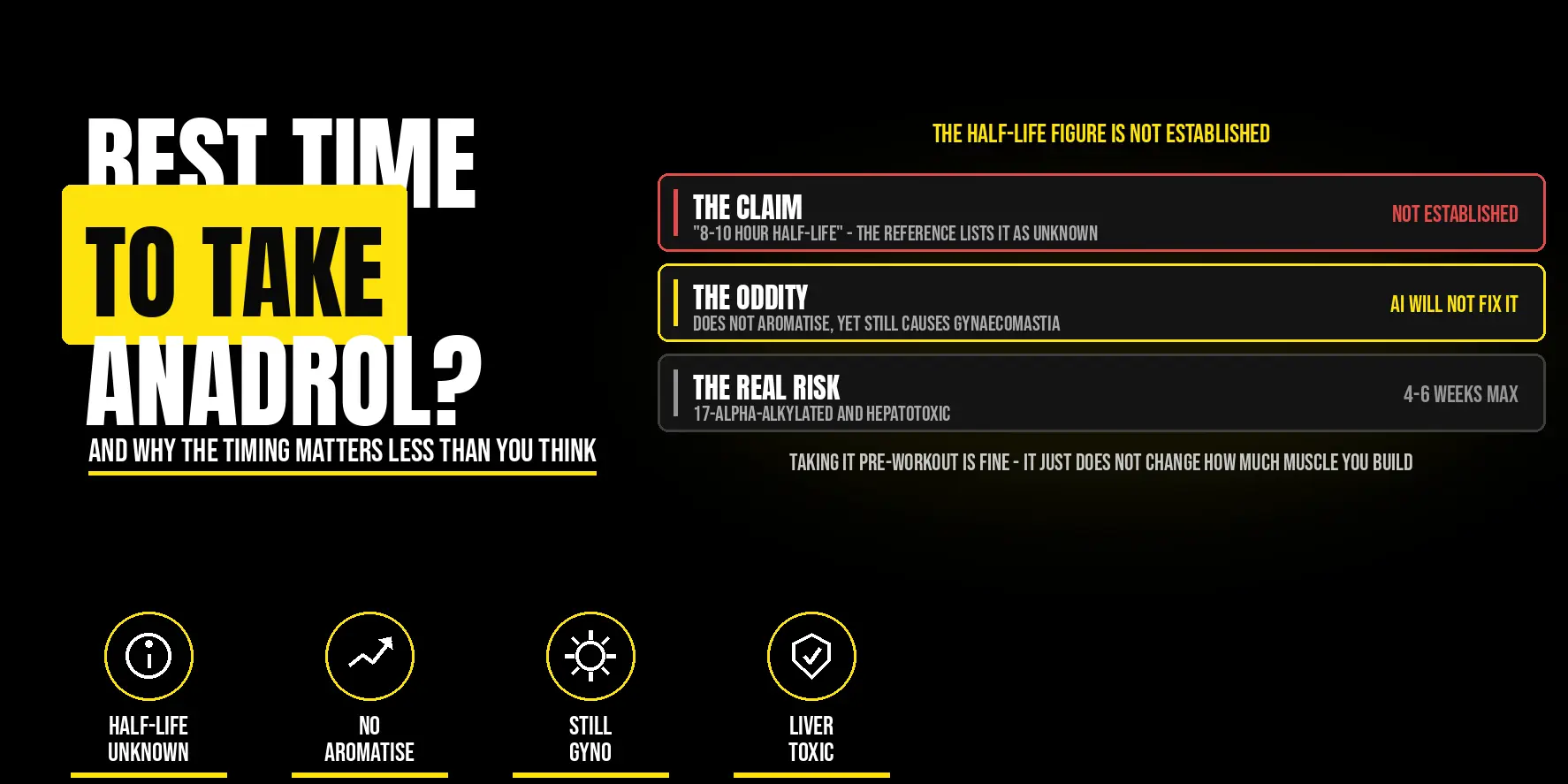
Anadrol is known for its ability to produce significant muscle gains. Whether you're relatively new to bodybuilding or a seasoned pro, Anadrol also is used for bulking and may just be the game-changer you've been looking for.
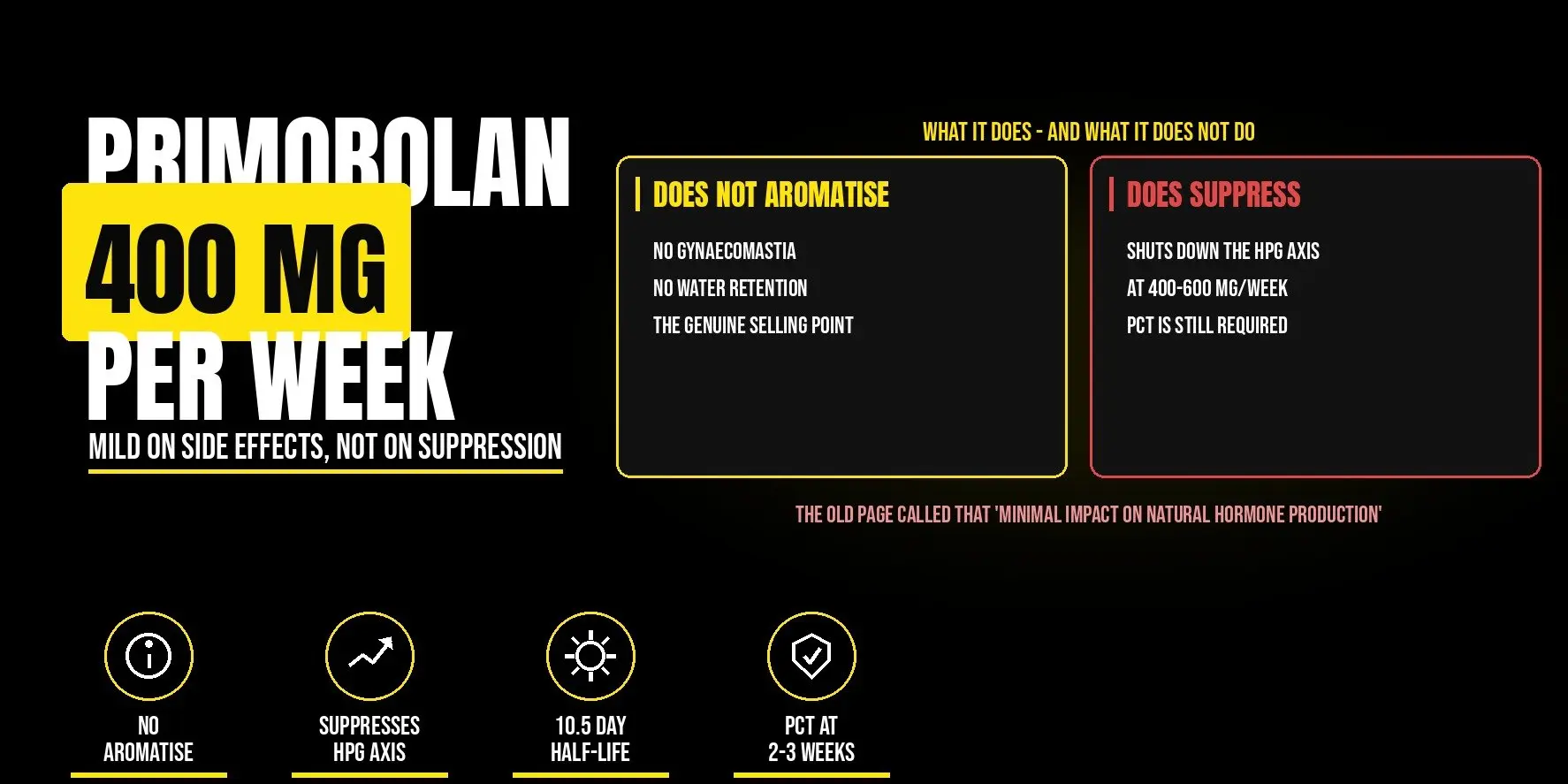
Primobolan is unique in its class, notably for its alkylation at the 1 position, rendering it less prone to aromatization than its more aggressive counterparts like Dianabol or Anadrol.
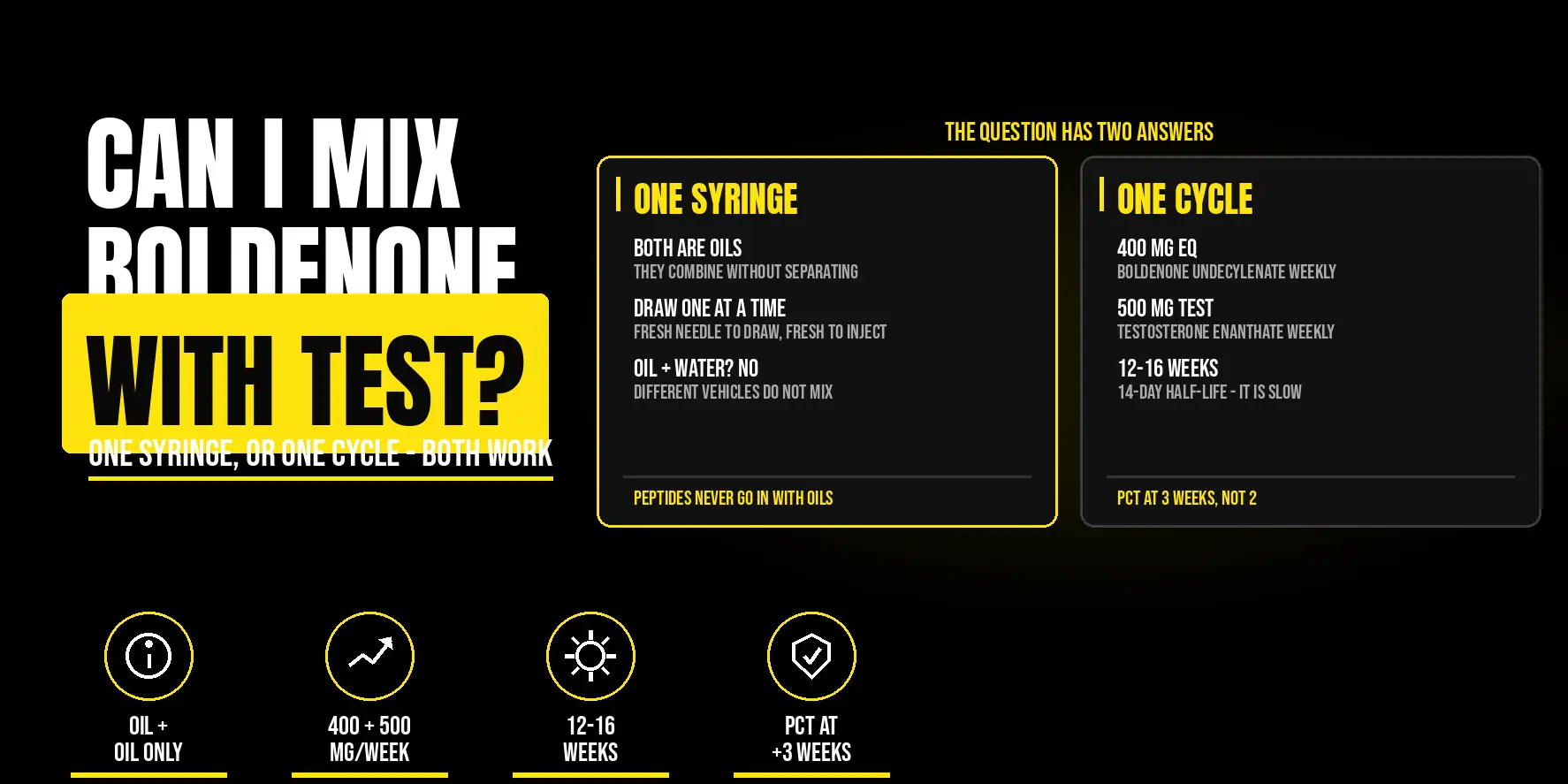
Boldenone undecylenate and testosterone enanthate (or cypionate) are both oils, and oil-based injectables can be drawn into the same syringe and given as a single injection.
PandaRoids Reviews
Please leave your review on products or service below.
For discounts, please contact us
- it is quite easy to navigate but I think the end result is important, when the package arrives on time
- I enjoy the site it\'s like I\'m a kid at a toy store😆 but I am overall very satisfied and psyched that my shipment is in hand. Thank Mr Panda for you and your teams excellent service.