


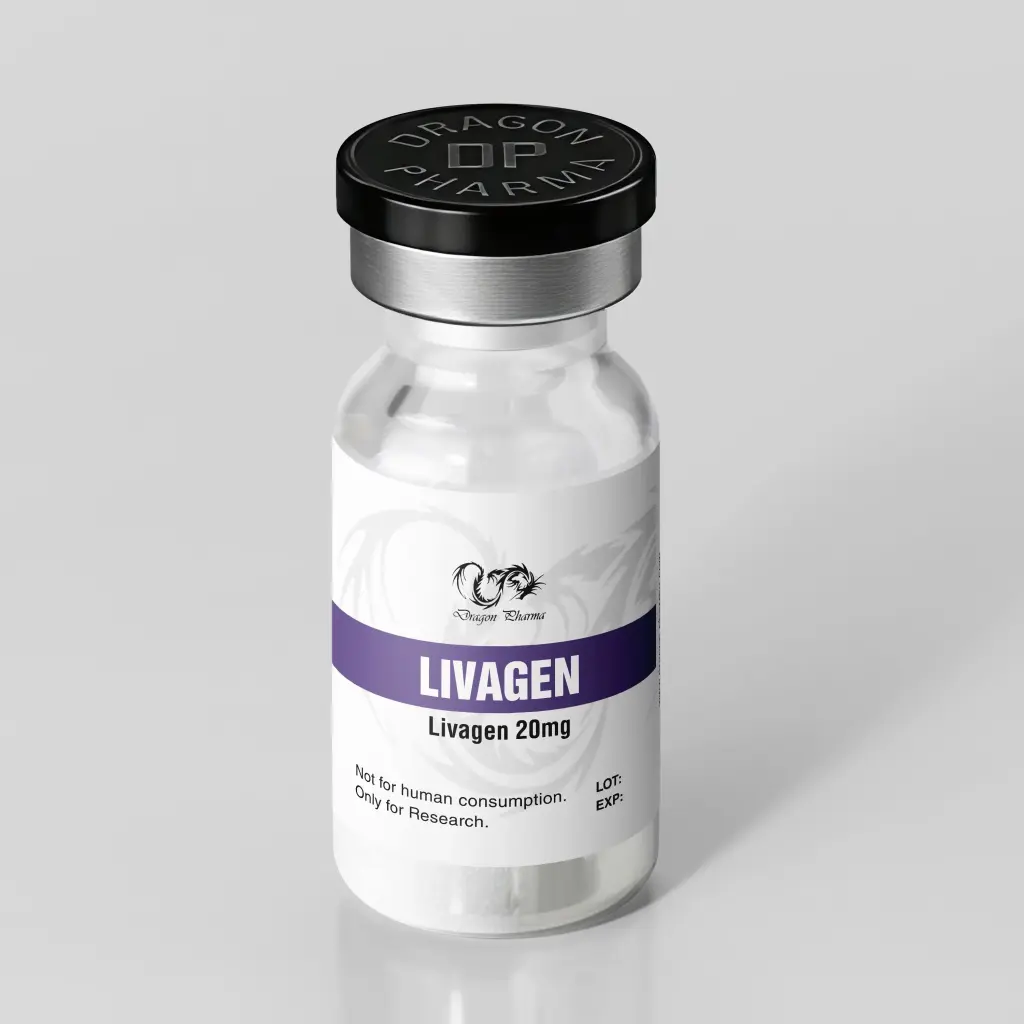
Fabricator: Dragon Pharma, Europe
Unit: x1 vial
Strength: 20mg
If your order hasn’t arrived within 35 days after shipping, we’ll resend it for free.
Please log in to write Livagen 20mg review.
Fabricator: Dragon Pharma, Europe
Unit: x1 10 ml
Strength: 300 mg/ml
If your order hasn’t arrived within 35 days after shipping, we’ll resend it for free.
Fabricator: Dragon Pharma, Europe
Unit: x1 10 ml
Strength: 150 mg/ml
If your order hasn’t arrived within 35 days after shipping, we’ll resend it for free.
Fabricator: Dragon Pharma, Europe
Unit: x1 10 ml
Strength: 250 mg/ml
If your order hasn’t arrived within 35 days after shipping, we’ll resend it for free.
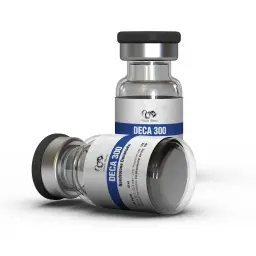
Fabricator: Dragon Pharma, Europe
Unit: x1 10 ml
Strength: 300 mg/ml
If your order hasn’t arrived within 35 days after shipping, we’ll resend it for free.
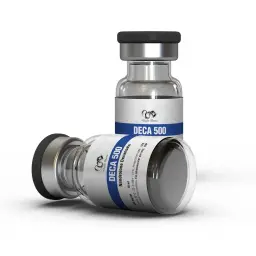
Fabricator: Dragon Pharma, Europe
Unit: x1 10 ml
Strength: 500 mg/ml
If your order hasn’t arrived within 35 days after shipping, we’ll resend it for free.
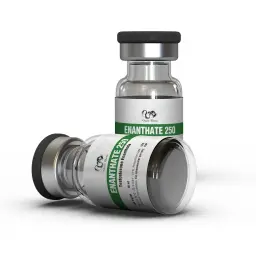
Fabricator: Dragon Pharma, Europe
Unit: x1 10 ml
Strength: 250 mg/ml
If your order hasn’t arrived within 35 days after shipping, we’ll resend it for free.
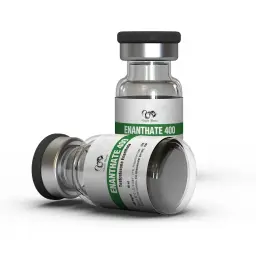
Fabricator: Dragon Pharma, Europe
Unit: x1 10 ml
Strength: 400 mg/ml
If your order hasn’t arrived within 35 days after shipping, we’ll resend it for free.
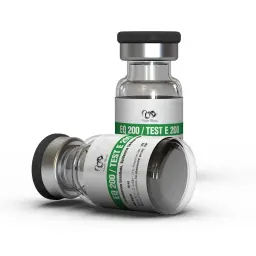
Fabricator: Dragon Pharma, Europe
Unit: x1 10 ml
Strength: 400 mg/ml
If your order hasn’t arrived within 35 days after shipping, we’ll resend it for free.